Whether you should exchange money before arriving in Phu Quoc depends less on finding a single “best” moment and more on how much Vietnamese Dong (VND) you need during your first few hours on the island.
First decide how you expect to pay in Phu Quoc
The exchange-timing question becomes easier once you know whether your trip is mainly card-first, cash-first or mixed. If most major expenses are prepaid or likely to be paid by card, your first-day VND target may be modest. If you expect more cash-preferred spending, you may want a larger working cash buffer.
| Your payment plan | Next guide |
|---|---|
| Mainly cards, with VND withdrawals as needed | Read Cash or Card in Phu Quoc? and the ATM guide. |
| Bringing foreign cash to exchange after arrival | Check the Banknote Guide and compare ATM vs currency exchange. |
| Mixed plan or not sure yet | Estimate a working amount with How Much Cash Should You Carry in Phu Quoc?. |
Once you know how you expect to pay, decide only how much VND you need for arrival and the first day. The rest of the trip can be reassessed after you see your real spending pattern.
Three ways to arrive with access to VND
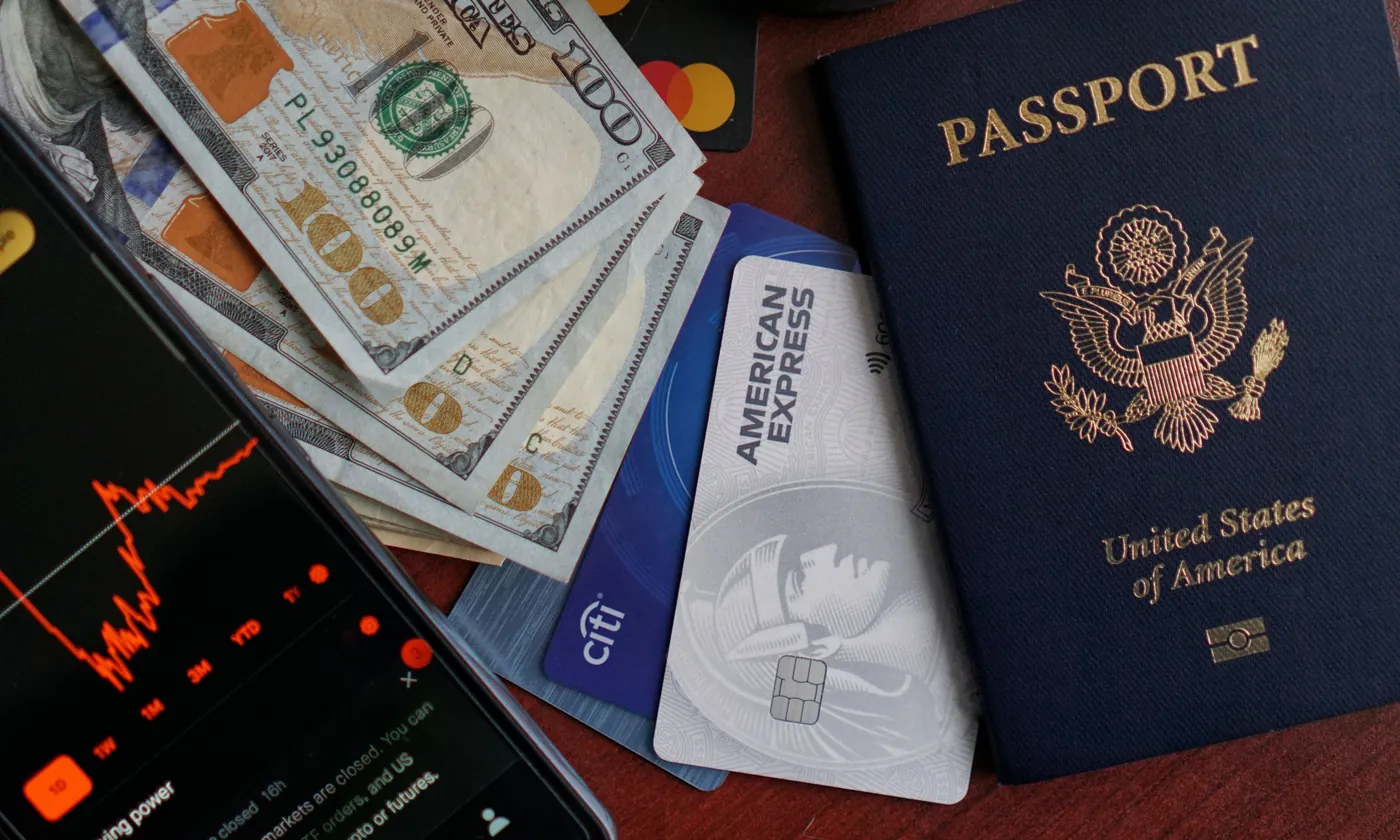
Most travelers can plan around three basic options: bring some VND from home, obtain VND after arrival, or use a mix of cash and ATM withdrawals. The right mix depends on your arrival time, accommodation transfer, card access, cash comfort and the size of the transaction.
When exchanging some money before your flight can make sense
A small pre-trip VND amount can be useful when you want immediate cash for transport, food or a backup on arrival. The goal is convenience, not necessarily maximizing the rate on every unit of currency.
Before exchanging a large amount at home, compare the full quote rather than only the headline rate. Use the exchange quote comparison guide to check the rate, fee and final VND amount.
When waiting until Phu Quoc can make sense
If you already have a reliable card or ATM backup and do not need much cash immediately, waiting can give you more time to check current local rates and decide how much cash you actually want to carry.
Use the published exchange rates for the service rate and check the rate timestamp before relying on an older screenshot or search result.
What is actually published locally if you wait until the island?
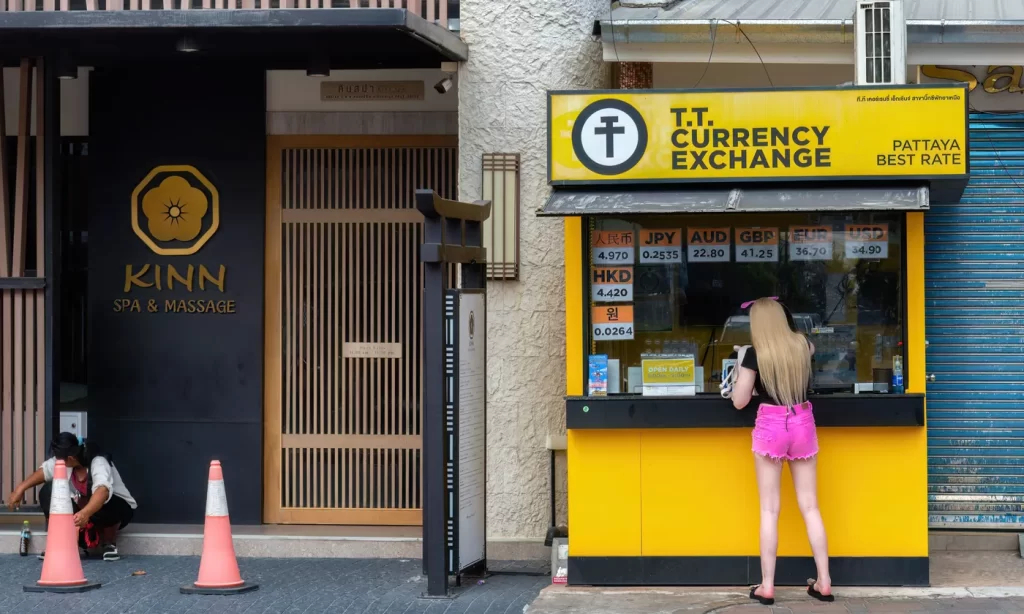
This operator publishes three Phu Quoc service counters: two in Dương Đông and one in An Thới. Their published opening hours are 08:00–22:00, and the public contact number is 0788 636 969. The Locations page lists the current addresses.
That does not mean waiting is automatically cheaper. It means you can compare a concrete local rate timestamp and route after arrival instead of making the whole-trip decision before you have seen your actual cash needs. If the rate timestamp is older than the day you plan to exchange, confirm the transaction before making a special trip.
What about exchanging at Phu Quoc Airport?
The airport mainly solves an arrival-timing problem: you may need VND before reaching your hotel or before you have time to compare other options. That does not mean you must exchange your full trip budget there.
For the full arrival decision, read Phu Quoc Airport Money Exchange: Airport vs Town.
Use a first-day cash target instead of guessing your whole-trip amount
A simple approach is to estimate only the cash you may need for the first day, then reassess once you know which expenses can be paid by card and how easy it is to access cash near your itinerary.
The How Much Cash Should You Carry in Phu Quoc? guide gives a planning method without pretending that every traveler has the same daily budget.
Do not ignore banknote condition if you bring foreign cash
If you plan to exchange foreign banknotes after arrival, inspect them before traveling. Series, denomination and physical condition can affect whether a particular note needs extra checking.
Use the Banknote Guide before packing a larger amount of cash.
A practical arrival-money plan
- Estimate the VND you may need during the first several hours.
- Decide whether a small pre-trip VND buffer would reduce travel stress.
- Keep at least one backup payment method separate from your main wallet.
- Check current exchange rates and timestamps close to the transaction.
- Confirm any large or unusual cash exchange before making a special trip.
- Reassess your cash needs after the first day instead of carrying your entire budget at once.
Before-you-arrive FAQ
Should I exchange my entire holiday budget before flying to Phu Quoc?
Not automatically. Compare the current quote and consider how much cash you actually need to carry. A mixed payment plan can reduce the need to convert everything at once.
Do I need VND immediately after landing?
That depends on your transfer and payment plan. If you want a cash buffer for arrival expenses, prepare a modest amount or have a reliable way to obtain VND after landing.
Is an airport exchange always the best or worst option?
Do not treat the location type alone as the answer. Compare convenience, the current rate, any separate fee, opening availability and the amount you need at that moment.
If you are bringing US dollars and are unsure whether they should be spent directly or exchanged into VND, read Can You Use USD in Phu Quoc, or Should You Pay in Vietnamese Dong?.
If your itinerary enters Vietnam through Ho Chi Minh City before the domestic flight, compare money exchange in Ho Chi Minh City vs Phu Quoc. If you are deciding what foreign cash to bring in the first place, use USD vs your home currency for Phu Quoc.
Next, compare cash vs card in Phu Quoc, review airport vs town on arrival, and compare ATM vs currency exchange so your arrival plan has more than one fallback.
For the full trip-level planning path from before arrival through cash, cards, ATMs and exchange, use the Phu Quoc Travel Money Guide.