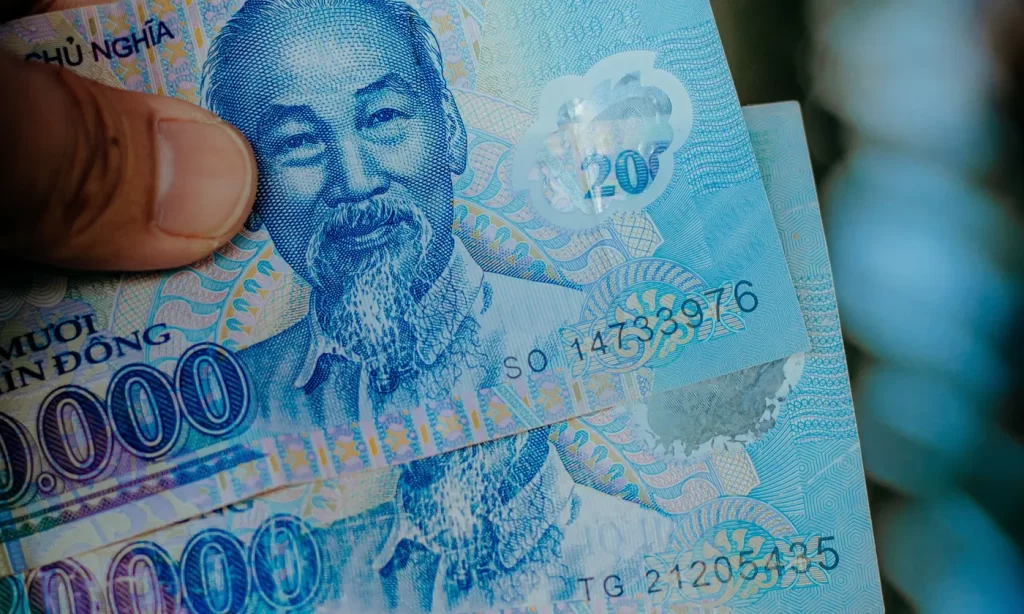
Comparing currency exchange quotes is easier when you stop looking for one “best rate” and compare the complete transaction you will actually receive. The rate matters, but so do fees, rate units, banknote acceptance and the exact amount of foreign cash you plan to exchange.
Step 1: compare the same transaction
Decide exactly what you are doing before comparing rates. If you are handing over foreign cash and receiving VND, compare the buy side that applies to that currency.
If “We Buy” and “We Sell” are unfamiliar, start with Buy vs Sell Exchange Rates Explained.
Step 2: use the same amount
A fair comparison uses the same foreign-currency amount. Comparing one quote for USD 100 with another quote for USD 1,000 can be misleading if different conditions apply.
Write down the exact amount and, for larger cash transactions, the denomination mix you are bringing.
Step 3: confirm the rate unit
Some currency quotes are easiest to read per one unit; others may be presented using a larger unit basis. Make sure the quote and any calculator example use the same unit before comparing results.
This is especially important for currencies where a single unit has a relatively small value. Use the dedicated currency page to check how the site presents your currency.
Step 4: calculate the gross VND amount
For a simple quote expressed per one unit, the gross result can be described as:
foreign currency amount × applicable buy rate = gross VND amount
If the quote uses another stated unit basis, adjust the calculation to that unit rather than assuming the displayed number is per one unit.
Step 5: subtract any separate fee if one applies
If the service discloses a separate commission or transaction fee, include it in the comparison. A spread and a separate fee are not automatically the same thing.
Use Exchange Rate Spread vs Fees for the distinction.
Step 6: confirm banknote acceptance
A mathematically attractive quote is not useful if the actual note cannot be accepted. Check denomination, series and physical condition before relying on the result.
The Banknote Guide routes condition, old-series and denomination questions to the correct page.
Step 7: compare the final amount, not a screenshot
Rates can change, and a screenshot or cached result can be stale. Compare the current quote available for the same transaction and confirm the final VND amount before handing over cash.
Use the rate timestamp guide to check whether the number you are looking at is current enough for your decision.
Use this operator’s published rate as a real comparison input
The Phu Quoc Exchange Rates page publishes the service’s rate table with an update timestamp. Put that timestamp next to the rate in your worksheet instead of copying the number alone. If the update time is older than the day of your planned transaction, confirm the quote before relying on it.
For a larger or time-sensitive cash exchange, the published contact number is 0788 636 969. The service lists three counters—two in Dương Đông and one in An Thới—with published hours of 08:00–22:00. Location and travel effort belong in the comparison too, because a small rate difference may not justify an unnecessary detour.
A simple quote-comparison worksheet
| Item | Quote A | Quote B |
|---|---|---|
| Foreign currency amount | Same amount | Same amount |
| Applicable buy rate | Record rate | Record rate |
| Rate timestamp | Record time | Record time |
| Rate unit | Record unit | Record unit |
| Separate fee | Record fee | Record fee |
| Banknote accepted? | Confirm | Confirm |
| Travel/location cost | Consider | Consider |
| Final VND | Compare | Compare |
Quote comparison FAQ
Should I always choose the highest buy rate?
Not automatically. Compare any separate fee, the rate unit, banknote acceptance, travel effort and the final VND amount for the same transaction.
Can I compare a Google or central-bank reference rate directly with a cash counter quote?
Use reference rates for context, not as proof of an executable cash rate. The actual transaction quote can differ.
What is the most useful number to ask for?
The final VND amount you will receive for the exact foreign cash you plan to exchange, after any separate disclosed fee or adjustment.
Check the published rates and timestamp first, then verify the quote before making a special trip.