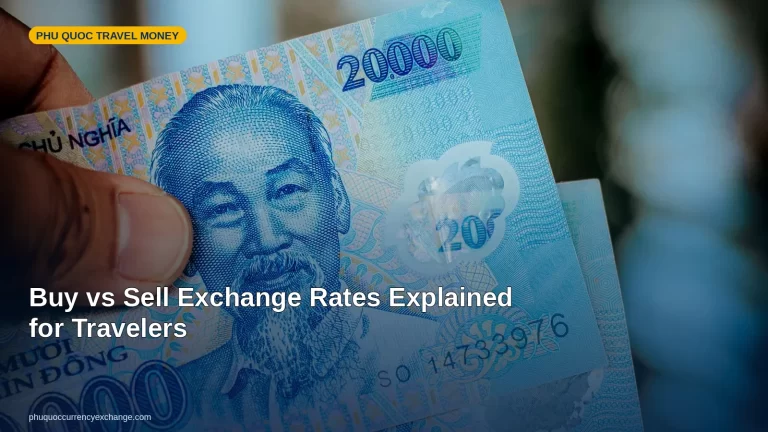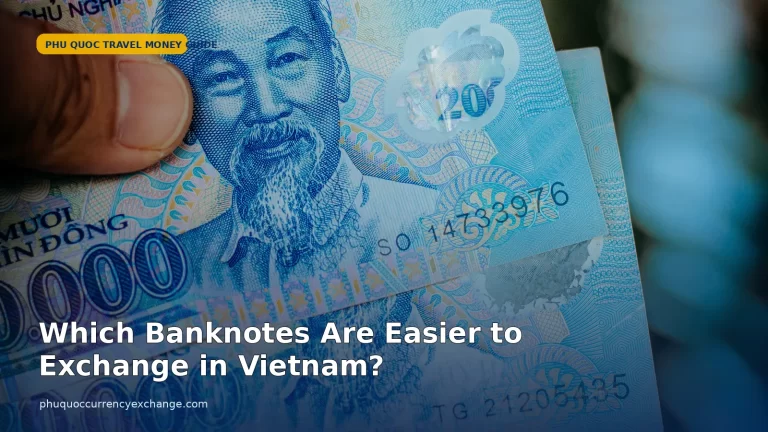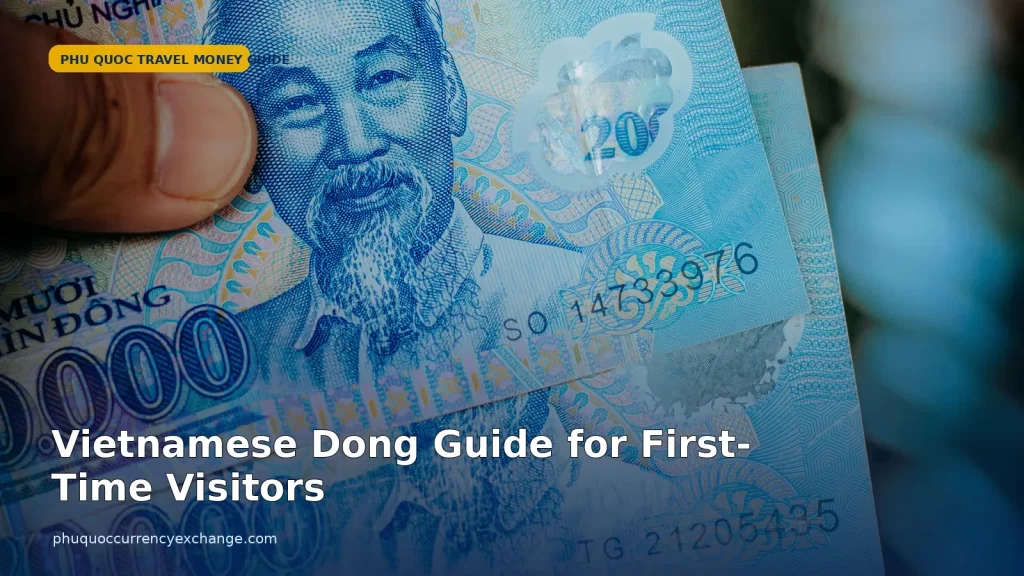
Vietnamese Dong (VND, symbol ₫) is Vietnam’s official currency. For first-time visitors, the main challenge is usually not the currency itself but the number of zeros and the speed of everyday payments. This guide turns the denominations into a simple reference you can use before paying, receiving change or planning cash for Phu Quoc.
First-day rule: read the full printed denomination, not just the colour. Sort your notes by value and keep the notes you expect to use that day separate from reserve cash.
Last source check: 21 September 2026. Vietnam Tourism identifies VND as Vietnam’s official currency and publishes the denomination list used below.
Vietnamese Dong denominations
Vietnam Tourism lists Vietnamese banknotes in these denominations: 200₫, 500₫, 1,000₫, 2,000₫, 5,000₫, 10,000₫, 20,000₫, 50,000₫, 100,000₫, 200,000₫ and 500,000₫. For travelers, the higher-value notes are the ones most likely to require careful checking because one extra zero changes the amount substantially.
10,000 VND
Read as ten thousand dong. Think of it as “10 thousand” rather than counting every zero one by one.
20,000 VND
Read as twenty thousand dong. Vietnam Tourism specifically warns travelers to double-check the 20,000 VND and 500,000 VND notes because they can appear similar in colour under some conditions.
50,000 VND
Read as fifty thousand dong. Check the printed number before paying quickly in a busy setting.
100,000 VND
Read as one hundred thousand dong. Keep it separate from smaller working notes if that makes counting easier.
200,000 VND
Read as two hundred thousand dong. Count your change before moving away from the payment point.
500,000 VND
Read as five hundred thousand dong. This is the highest denomination in the standard banknote list published by Vietnam Tourism, so verify it carefully before handing it over.
Paper and polymer notes
Vietnam Tourism describes Vietnamese currency as a mix of smaller paper bills and larger polymer bills. The important travel habit is not to use material or colour as the only identification method. Read the denomination printed on the note and check the zeros before paying.
A simple way to read large VND amounts
When you see a price such as 50,000 VND, read it as “50 thousand VND.” When you see 500,000 VND, read it as “500 thousand VND.” Grouping the last three zeros as “thousand” can make prices easier to process without changing the actual amount.
Do not mentally remove zeros when paying. Simplifying the number can help you understand it, but the amount you hand over should still be checked against the full printed VND value.
Before you pay
- Read the full printed denomination.
- Check the number of zeros.
- Do not identify a note only by colour.
- Keep frequently used notes easy to reach.
- Keep reserve cash separate when practical.
- Confirm the exact VND amount if a spoken or handwritten price is unclear.
When you receive change
Count change at the payment point before moving away. If you are still learning the denominations, arrange the notes by value rather than putting them straight into one stack. That simple habit reduces the chance of mixing a high-value note with smaller working cash.
Getting VND in Phu Quoc
ATM
An ATM converts funds from your card account into VND cash. The total cost can include an ATM-operator surcharge, your own issuer’s fee and a currency-conversion choice. Use the Phu Quoc ATM guide for local ATM leads, fee examples and DCC guidance.
Cash exchange
If you arrive with foreign banknotes, an exchange service may buy accepted notes and pay you VND. Banknote condition, denomination and series can affect acceptance. Read the banknote preparation guide before traveling with old, marked or damaged notes.
How much VND should stay in your wallet?
There is no universal amount. Keep a working amount for the expenses you expect soon and store reserve cash separately when practical. If you need help building that amount from your itinerary, use How Much Cash Should You Carry in Phu Quoc?.
Before departure
Your need for fresh cash usually falls as the trip ends. Before another withdrawal or exchange, estimate the cash expenses that still remain. If the VND already in your wallet covers them, another transaction may create unnecessary leftover cash.
For the departure workflow, read What to Do With Leftover Vietnamese Dong Before Leaving Phu Quoc.
Official reference
- Vietnam Tourism — Plan your trip: VND symbol and published denomination list.
- Vietnam Tourism — Currency and payments in Vietnam: VND overview, note material guidance, card and ATM context.
Freshness note: this guide explains denominations and handling habits, not live exchange rates. For a transaction, check the current published rate and timestamp separately.