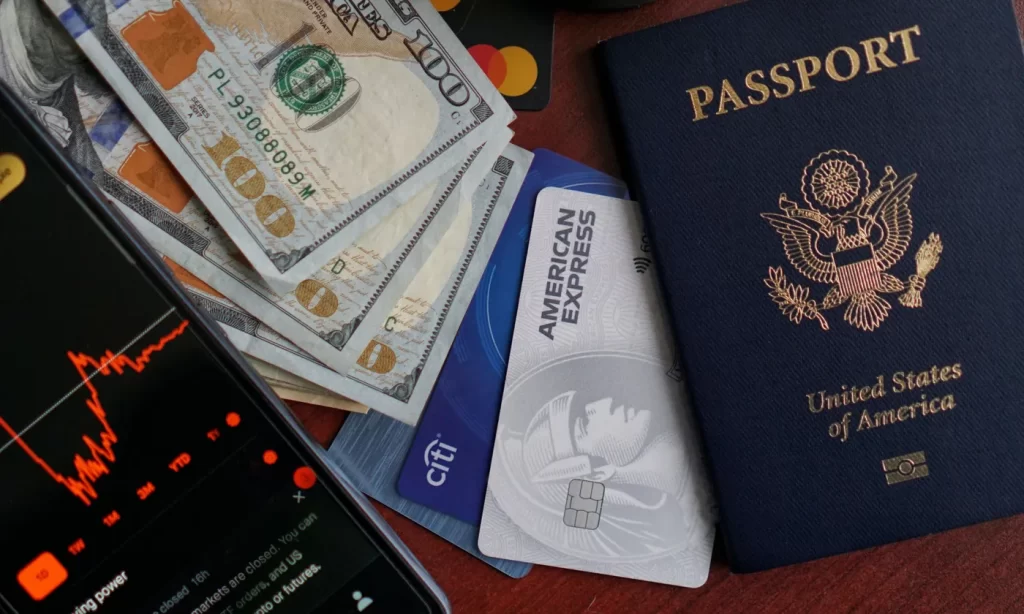
Banknote denomination is easy to overlook when planning a cash exchange. Two travelers can carry the same total value in the same currency but arrive with very different stacks of notes, and that can change what needs to be checked before the transaction.
Why denomination mix matters
A total amount such as USD 500, EUR 500 or JPY 100,000 does not describe the physical notes being presented. Five high-value notes and a large stack of smaller notes can require different counting, verification and cash-handling steps.
This page does not publish a universal “best denomination” because acceptance and operational needs can vary. It instead helps you prepare the actual stack you hold.
Count by denomination, not only by total value
Before leaving your hotel, make a simple note count. Write the denomination, quantity and subtotal for each group. For example, instead of recording only “500 USD,” record the actual mix you hold.
This makes it easier to notice a questionable banknote, explain your transaction clearly and confirm whether advance notice is appropriate.
Separate unusual notes before the transaction
If one note is an older series, visibly damaged, marked or otherwise different from the rest, keep it separate. Do not assume the status of one note applies to the entire stack.
Use the damaged banknotes guide for condition issues and the old-series guide for design or issue questions.
Use currency-specific issuer context where available
Different currencies have different denomination structures and series histories. The dedicated pages for USD, EUR, KRW, AUD, SGD, THB and JPY contain currency-specific context without turning this page into a duplicate of every currency guide.
Large transactions need more than a rate check
If you carry a larger amount of foreign cash, contact the exchange service before making a special trip. Share the currency, approximate total, denomination mix and any unusual notes. The service can then tell you what else needs to be confirmed for the transaction.
Keep the rate question separate. Use today’s published exchange-rate table for the current rate and the Buy vs Sell guide if you need help reading the quote.
A simple banknote-count worksheet
| Denomination | Quantity | Subtotal | Condition/series note |
|---|---|---|---|
| Your note value | Count | Denomination × count | Current / older / marked / damaged |
You do not need a complicated spreadsheet. The goal is simply to know exactly what you are carrying before the transaction begins.
Denomination planning checklist
- Sort notes by denomination.
- Count each group separately.
- Identify older or unusual designs.
- Separate damaged or marked notes.
- Confirm a large or unusual denomination mix before traveling.
- Check the current rate separately from note acceptance.
Banknote denomination FAQ
Are larger banknotes always easier to exchange?
Do not assume so. Acceptance can vary by currency, denomination, series, condition and current service policy.
Does a better-looking denomination get a better rate?
A published currency rate and the handling of a particular banknote are separate issues. Confirm the final rate and any note-specific adjustment before the transaction.
What if I have many small notes?
Count and group them by denomination, then confirm the transaction in advance if the stack is large or unusual.
For the complete preparation workflow, return to Which Banknotes Are Easier to Exchange in Vietnam?. For currency-specific details, start at the Currencies hub.